
 Español
 Pусский
 Français
 العربية
industrial quadruped robot
Industrial Quadruped Robot: A Versatile Solution for Modern Automation Industrial quadruped robots represent a significant advancement in robotics, combining mobility, adaptability, and advanced sensing to perform complex tasks in challenging environments. Unlike traditional wheeled or tracked robots, quadruped robots leverage four-legged locomotion to navigate uneven terrain, stairs, and confined spaces with remarkable stability. This design makes them ideal for industrial applications where conventional robots struggle to operate. Key Features and Capabilities 1. Mobility and Stability: Quadruped robots use dynamic gait algorithms to walk, trot, or crawl, adjusting their movement based on terrain. Advanced balance control systems, including inertial measurement units (IMUs) and force sensors, ensure stability even on slippery or irregular surfaces. 2. Payload and Manipulation: Many industrial quadrupeds are equipped with robotic arms or modular attachments, enabling them to carry tools, inspect equipment, or transport materials. Some models can lift payloads exceeding 10 kg, making them useful for logistics and maintenance tasks. 3. Autonomous Navigation: With LiDAR, depth cameras, and AI-driven perception, these robots can autonomously map environments, avoid obstacles, and follow predefined routes. This capability is invaluable for inspection missions in hazardous areas like construction sites or chemical plants. 4. Durability and Endurance: Designed for industrial use, quadruped robots often feature rugged, waterproof casings and long-lasting batteries, allowing them to operate for hours in harsh conditions such as extreme temperatures or dusty environments. Industrial Applications - Inspections: Quadruped robots can autonomously patrol factories, power plants, or oil rigs, using thermal cameras and sensors to detect leaks, equipment failures, or structural defects. - Search and Rescue: In disaster zones, they can traverse debris to locate survivors or assess damage without risking human lives. - Logistics: In warehouses, they assist with inventory management or transport goods across dynamic environments. - Construction: They monitor progress, inspect hazardous areas, or even assist in material handling. Challenges and Future Outlook Despite their advantages, industrial quadrupeds face challenges such as high costs, complex maintenance, and limited battery life. However, ongoing advancements in AI, materials, and energy efficiency are expected to address these limitations. As the technology matures, quadruped robots will likely become a standard tool in industrial automation, enhancing productivity and safety across multiple sectors. In summary, industrial quadruped robots are transforming automation by combining unmatched mobility with intelligent functionality, paving the way for smarter, more adaptable industrial operations.
Products
Category:
-
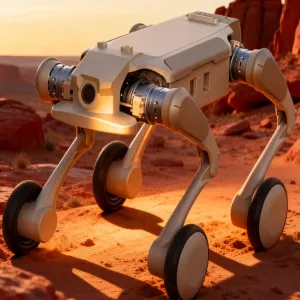
Wheeled Medium-Sized Quadruped Robot – Industrial Automation and AI Robotics Platform
Category: Robot DogBrowse number: 28Number:Release time: 2025-12-26 16:33:00Wheeled Medium-Sized Quadruped Robot – Industrial Automation and AI Robotics Platform -
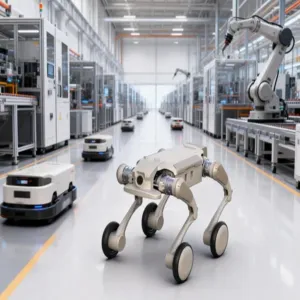
Wheeled Medium-Sized Quadruped Robot – Multifunctional Platform with Interchangeable Payload Modules
Category: Robot DogBrowse number: 18Number:Release time: 2025-12-26 16:45:22Wheeled Medium-Sized Quadruped Robot – Multifunctional Platform with Interchangeable Payload Modules -
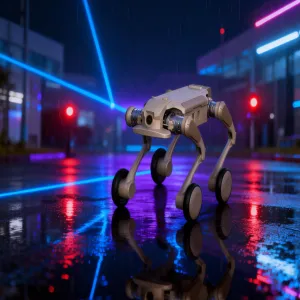
Wheeled Medium-Sized Quadruped Robot – Cost-Effective Automation for SMEs and Research Labs
Category: Robot DogBrowse number: 19Number:Release time: 2025-12-26 16:52:05Wheeled Medium-Sized Quadruped Robot – Cost-Effective Automation for SMEs and Research Labs -
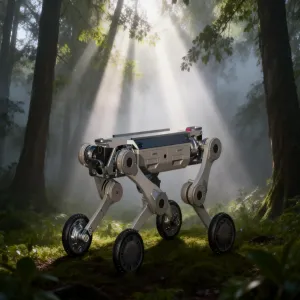
Wheeled Medium-Sized Quadruped Robot – Flexible Leasing and RaaS (Robot-as-a-Service) Plans
Category: Robot DogBrowse number: 30Number:Release time: 2025-12-26 17:15:53Wheeled Medium-Sized Quadruped Robot – Flexible Leasing and RaaS (Robot-as-a-Service) Plans -
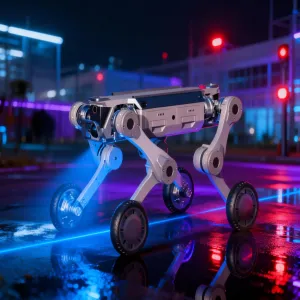
Wheeled Medium-Sized Quadruped Robot – Open-Source SDK for Advanced Research and Custom Development
Category: Robot DogBrowse number: 30Number:Release time: 2025-12-26 17:17:04Wheeled Medium-Sized Quadruped Robot – Open-Source SDK for Advanced Research and Custom Development -
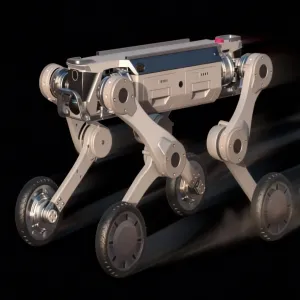
Wheeled Medium-Sized Quadruped Robot – Intuitive Teleoperation and Waypoint Planning Interface
Category: Robot DogBrowse number: 40Number:Release time: 2025-12-26 17:18:42Wheeled Medium-Sized Quadruped Robot – Intuitive Teleoperation and Waypoint Planning Interface
News
Category:
-
[Company News]Large Quadruped Robot – High Performance Industrial Robot Do...
2025-12-28 11:42:00 -
[Company News]Wheeled Medium-Sized Quadruped Robot
2025-12-26 11:42:47 -
[industry news]Xinmite Exports Wheeled Medium-Sized Quadruped Robots to the...
2025-12-26 11:52:07 -
[Company News]China’s Wheeled Quadruped Robots Gain Global Attention as In...
2026-01-05 17:58:55 -
[Company News]China-Made Quadruped Robots Reach Global Buyers as Demand fo...
2026-01-08 08:09:14
Case
Category:
-
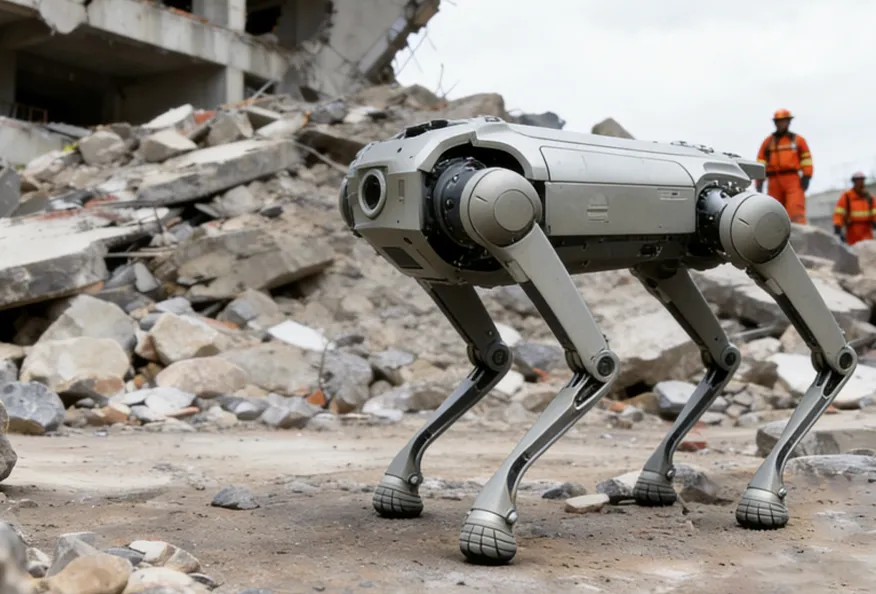
Rescue Intelli-Detection Robot...
-
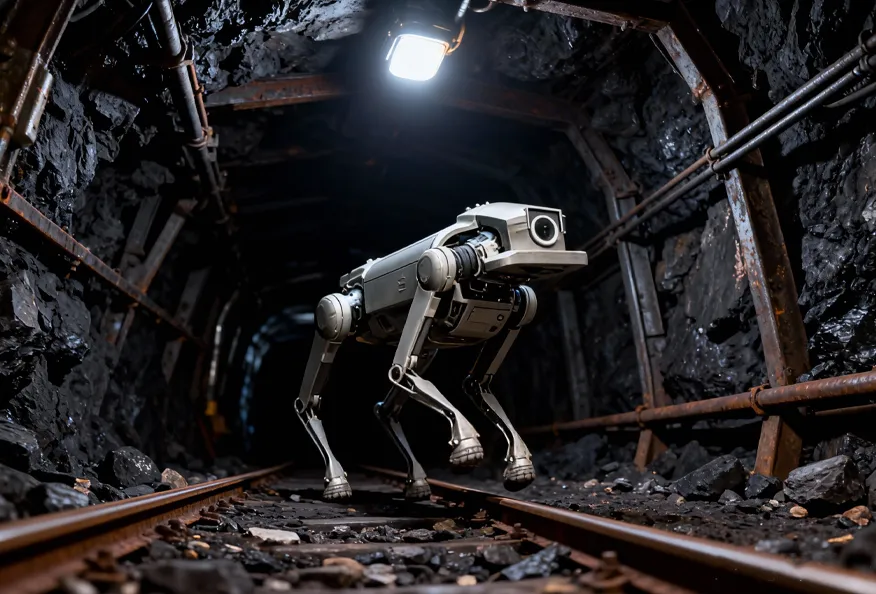
Mine Underground Intelli-Patro...
-
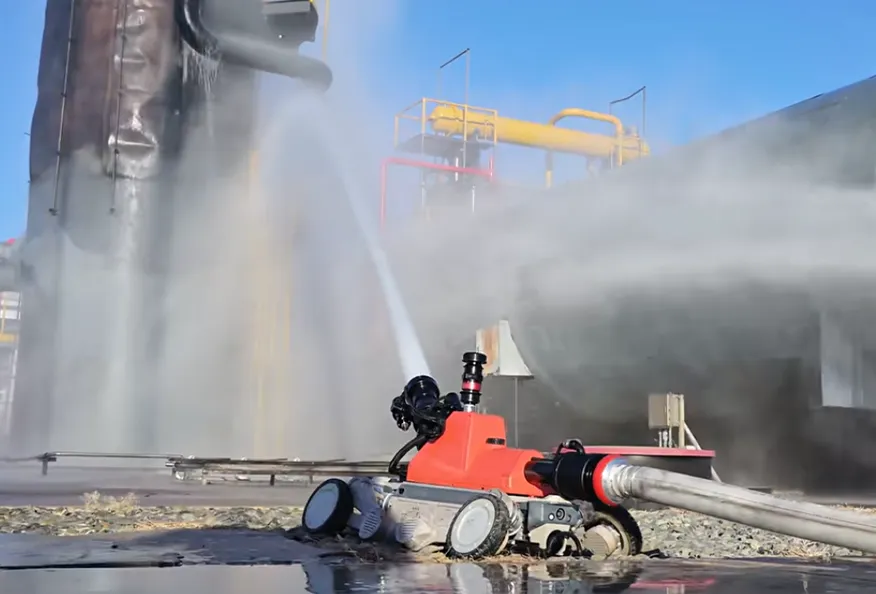
Industrial Firefighting Robot...
-
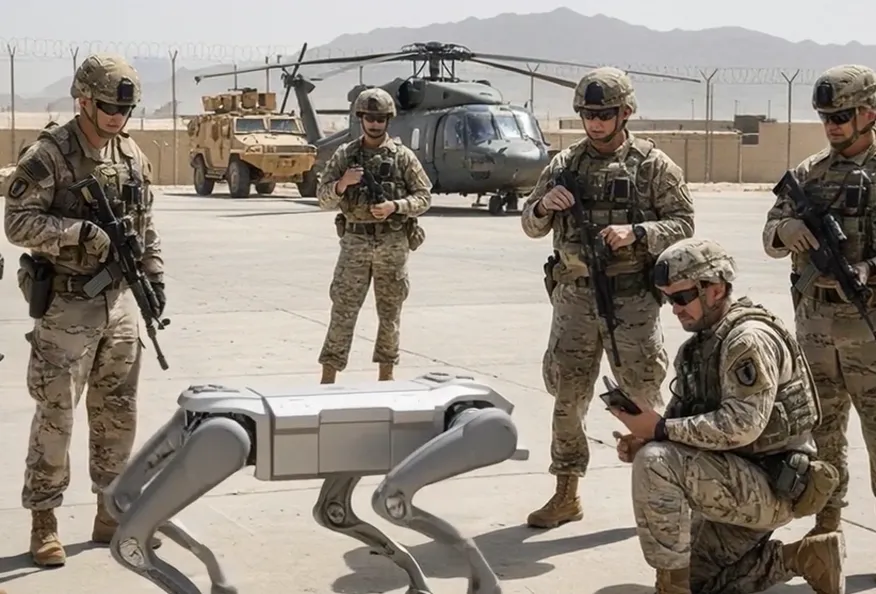
Squad Fire Support Robot Dog:...
-

Mountain-Wading Off-Road Robot...
Video
Category:
No search results found!
Download
Category:
No search results found!
Job
Category:
No search results found!
Featured Products
No search results found!



 Phone
Phone